




Introduction: When Your Gut Talks, Your Immune System Listens
Your body isn’t just a collection of organs—it’s an ecosystem. Inside your gut live trillions of microbes that constantly communicate with your immune system. When that conversation breaks down, you don’t just get bloating or fatigue—you lose your body’s first line of defense.
This guide reveals how to rebuild that conversation through natural, science-backed strategies that restore microbial balance and transform immunity from the inside out.
1. The Gut–Immune Connection: Where Defense Begins
How the Microbiome Trains Your Immune System
Over 70% of immune cells live in the gut-associated lymphoid tissue (GALT). These immune cells learn to differentiate between friend and foe through constant interaction with your microbiota. When microbial diversity thrives, so does immune intelligence.
The Leaky Gut–Inflammation Loop
Compromised gut lining allows toxins and pathogens to enter circulation, triggering chronic inflammation. This systemic inflammation distracts immune cells, leaving you vulnerable to infection and fatigue.
2. The Root Causes of Gut Chaos
Modern Lifestyle Offenders
- Antibiotic overuse: Wipes out beneficial bacteria.
- Chronic stress: Elevates cortisol, disrupting microbial balance.
- Ultra-processed foods: Feed harmful bacteria and weaken the gut lining.
- Sleep deprivation: Reduces microbial diversity and impairs immune signaling.
Environmental Toxins and Heavy Metals
Pesticides, chlorine, and heavy metals in food and water alter gut ecology and suppress beneficial strains such as Lactobacillus and Bifidobacterium.
3. Evidence-Based Strategies to Improve Gut Health for Immune Support
1. Feed the Microbes That Protect You
- Prebiotic foods: Garlic, leeks, onions, green bananas, and chicory root fuel beneficial bacteria.
- Resistant starch: Found in cooled potatoes and lentils—helps produce short-chain fatty acids like butyrate, which modulate immune function.
2. Add Probiotic Diversity
Different probiotic strains serve distinct immune roles:
- Lactobacillus rhamnosus GG — enhances antibody production.
- Bifidobacterium longum — reduces inflammatory markers.
- Saccharomyces boulardii — defends against gut pathogens.
3. Eat the Rainbow
Polyphenols in berries, green tea, and olive oil act as prebiotic antioxidants, feeding beneficial microbes while reducing oxidative stress.
4. Regulate Stress, Sleep, and Sunlight
Meditation, circadian rhythm alignment, and natural light exposure restore hormonal and microbial balance. These practices improve gut motility and immune vigilance.
4. Building Your Personalized Gut–Immune Plan
Step 1: Rebuild the Foundation
Eliminate inflammatory foods (refined sugars, seed oils) and reintroduce whole-food diversity.
Step 2: Rebalance with Precision Nutrition
Design a weekly rotation of fermented foods (kimchi, kefir, yogurt, sauerkraut) alongside prebiotic fibers.
Track how your digestion, energy, and immunity respond.
Step 3: Supplement Strategically
- L-glutamine & zinc carnosine: Support gut barrier repair.
- Omega-3s: Lower systemic inflammation.
- Vitamin D & magnesium: Modulate immune signaling.
Step 4: Test and Iterate
Consider microbiome testing or food-sensitivity panels to identify imbalance patterns. Use data to refine your nutrition and supplement plan.
5. Frequently Asked Gut–Immune Questions
Can probiotics alone fix immunity?
Not entirely. Probiotics are a tool, but the foundation is diet, stress management, and sleep hygiene that support microbial ecosystems.
Is “leaky gut” a real medical condition?
While not always used clinically, increased intestinal permeability is recognized in scientific literature as a driver of inflammation and autoimmune activity.
How long does it take to strengthen gut health?
Meaningful change occurs within 3–6 weeks for mild imbalance, and up to 3 months for deeper repair—depending on consistency and lifestyle factors.
6. How to Keep Your Gut and Immune System in Sync
Daily Rituals for Resilient Immunity
- Hydrate with mineral-rich water.
- Move daily to stimulate lymphatic circulation.
- Practice gratitude or mindfulness—reduces cortisol and enhances microbial balance.
- Maintain consistent meal timing to sync digestion with circadian rhythms.
The Compounding Effect of Microbial Mastery
Small daily improvements create exponential gains in immune resilience. Each healthy microbial shift adds another layer of protection, making your system stronger, smarter, and more adaptable.
Conclusion: From Gut Chaos to Power
Your gut isn’t a problem to fix—it’s a power source to awaken.
When you restore microbial harmony, your immune system doesn’t just defend—it thrives. The path from chaos to strength is natural, measurable, and deeply personal.
Start with one change today, and your body will start rewriting its story tomorrow.
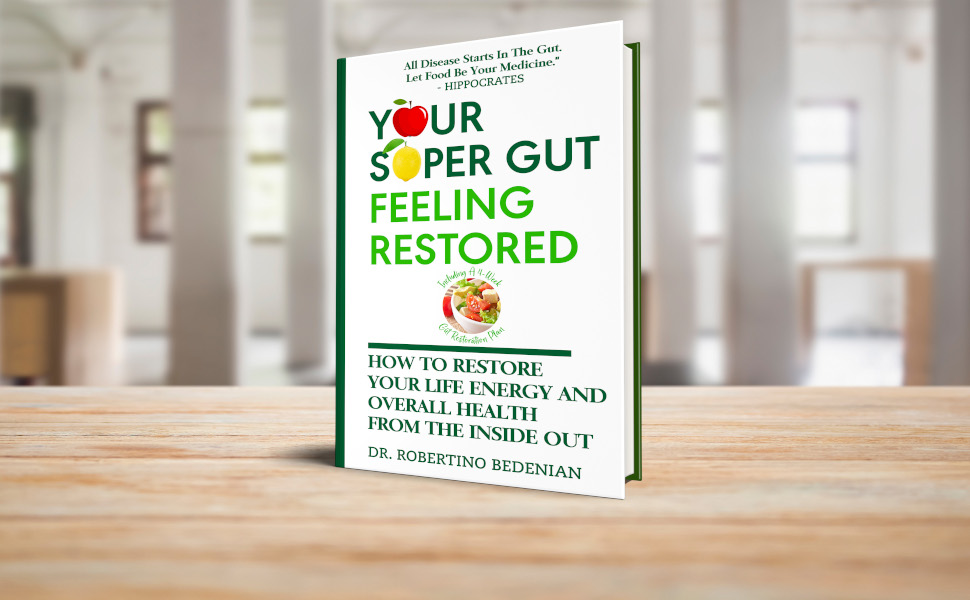
Do you want to get the complete guide and restore your gut health in less than 4 weeks?
|